Bridge Over Missing Molars vs Modern Surgical Anchorage-Which Protects Surrounding Teeth?
Replacing a missing molar with a traditional dental bridge can restore your smile, but it usually requires reshaping the healthy teeth on either side of the gap. Dental implants offer a different approach by anchoring directly into the jawbone, preserving neighboring teeth while helping maintain bone health and providing long-term stability for many patients.
The AAID says that around 3 million people in the U.S. have dental implants, and that number grows by about 500,000 each year.
Have you been told a bridge is your best option but wondered what it could mean for your healthy teeth? The answer depends on your oral health, jawbone condition, and long-term goals.
Understanding Dental Bridges and Their Implications
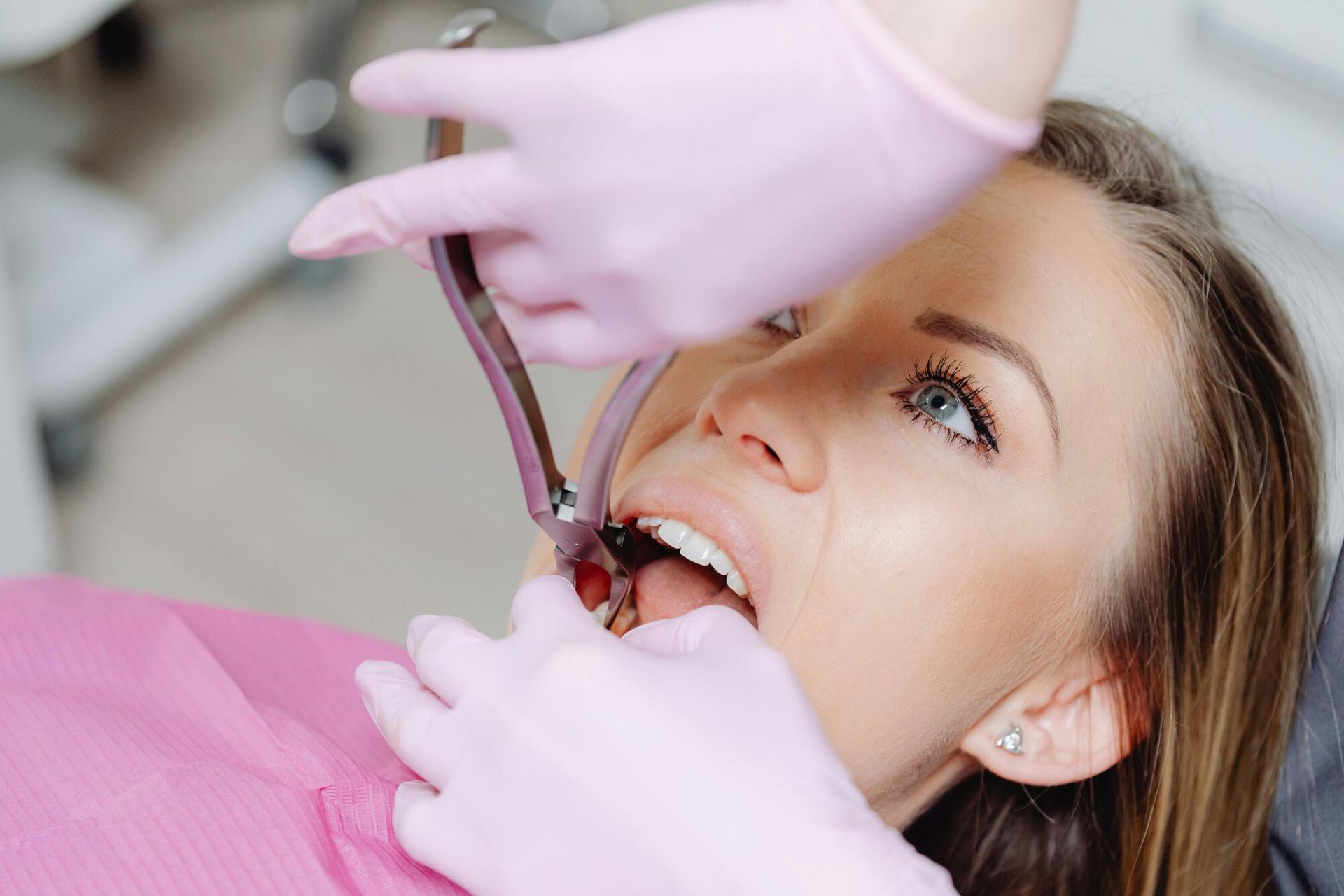
A dental bridge is a popular method for replacing missing teeth. Designed to span the gap where teeth are missing, it involves anchoring to adjacent teeth. However, the process entails grinding down healthy teeth to secure the bridge, which can damage adjacent tooth enamel and may affect the structural integrity of those teeth. This raises a crucial question:
What happens to the surrounding teeth when healthy ones are altered for the sake of a dental bridge?
While dental bridges can enhance aesthetics and restore function, patients should also understand the downsides of traditional dental bridges. They often necessitate significant changes to the neighboring teeth, which may lead to further complications over time. For this reason, patients are encouraged to consider the potential consequences seriously.
The Advantages of Surgical Anchorage
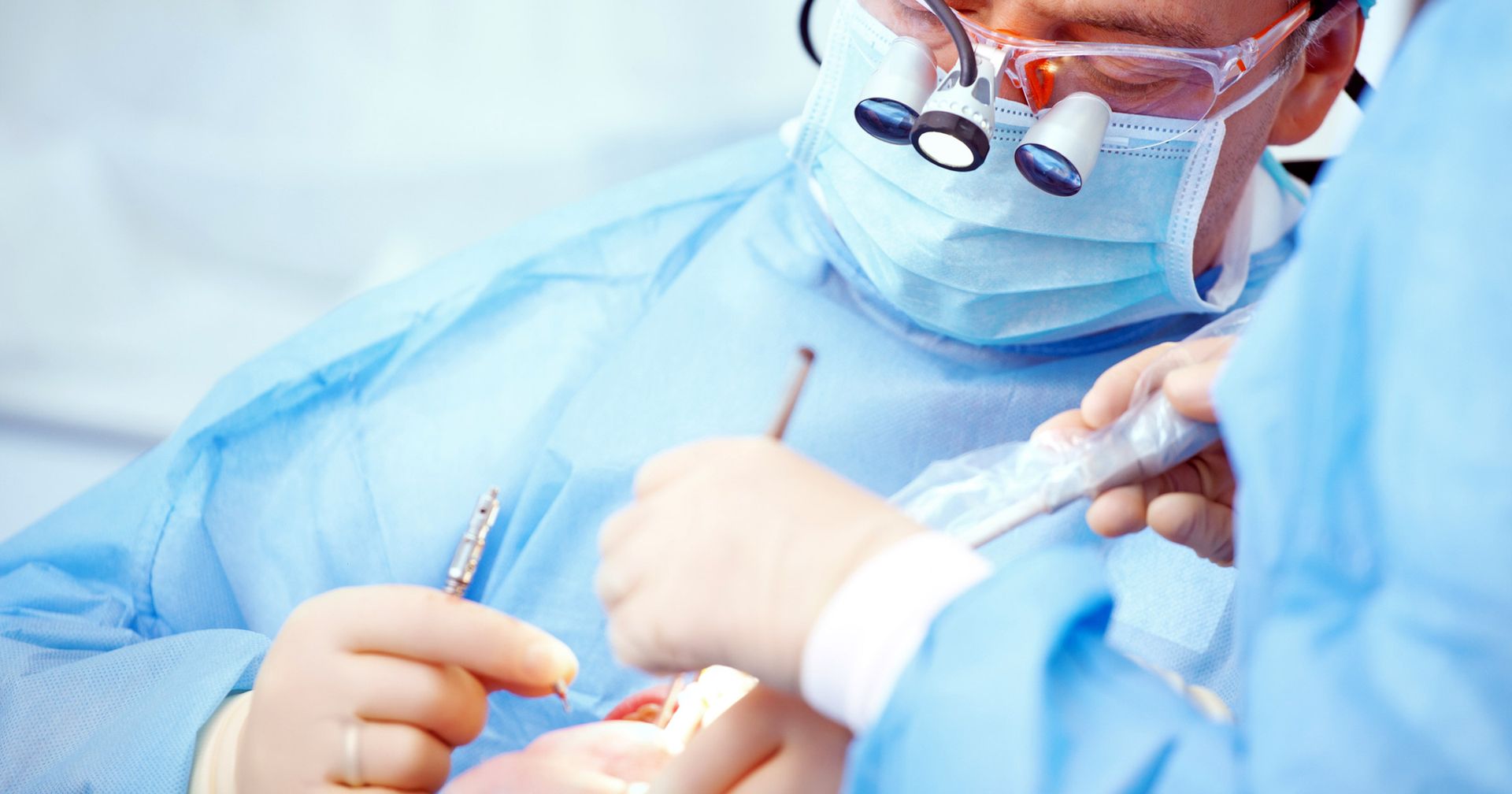
Modern technology has brought us surgical anchorage, an innovative alternative that avoids many of the drawbacks associated with dental bridges. With surgical anchorage, titanium posts are implanted directly into the jawbone, acting as sturdy anchors for artificial teeth without compromising nearby healthy teeth.
Some notable advantages of surgical anchorage include:
- Minimal Impact on Adjacent Teeth: Unlike bridges, which depend on adjoining teeth for support, surgical anchorage preserves their structure
- Bone Preservation: Implants stimulate the jawbone, helping prevent long-term jawbone resorption that often follows tooth loss
- Longevity: With proper care, dental implants can last a lifetime, making them a cost-effective option long-term
- Enhanced Functionality: Patients experience improved chewing and speaking abilities, thanks to a more stable anchorage
A Professional's Guidance is Crucial
Choosing between a bridge and surgical anchorage is not just about preferences; it also involves a solid understanding of your unique circumstances. Consulting with a qualified dentist in San Diego can help you assess your oral health, discuss your options, and ultimately make the best choice for you.
Remember, every dental solution has its pros and cons. A skilled dentist will help evaluate your condition fully, taking into account factors like your jawbone health, lifestyle, and budget.
Final Thoughts on Bridging the Gap
Understanding the differences between bridges and dental implants helps you make a confident, informed decision with your dentist for lasting comfort, function, and confidence.
At North Park Smiles, we focus on creating healthy, lasting smiles through personalized dental care tailored to every patient.
Our experienced team, led by Dr. Eduardo Díaz, provides comprehensive services including family dentistry, cosmetic care, dental implants, and Invisalign. Get in touch today to find out how we can help with
your dental journey.
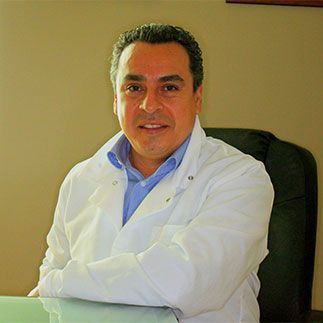
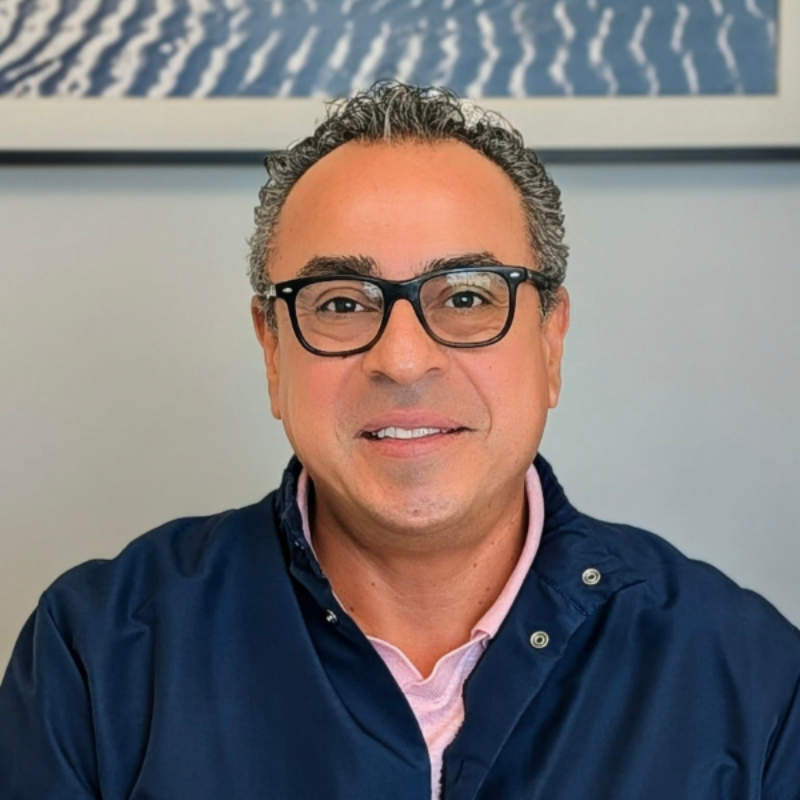
Dr. Eduardo Díaz
General Dentist
Dr. Eduardo Díaz graduated from Universidad Autónoma de Baja California, Mexico, in 1994. In 1995, he obtained US Board certification by the ADA and in 1997, his California dental license. Dr. Díaz has learned the newest in dental techniques by attending several continuing education programs and is certified in the hard and soft tissue dental laser. He has received the Advance Invisalign® II certification and is very experienced in treating patients with Invisalign. Dr. Díaz received his diplomate degree in oral implantology from the ICOI and has received a bone harvesting certification from NYU. In 2014 he obtained a patent for the first adjustable magnetic snoring and sleep apnea oral device.
He is a member of the following dental organizations: